‘Los Chicos Phoenix’: West Phoenix, Arizona, High Schoolers, 16 to 19, Tell The New York Times They Sell Guns That End Up With the Sinaloa Cartel
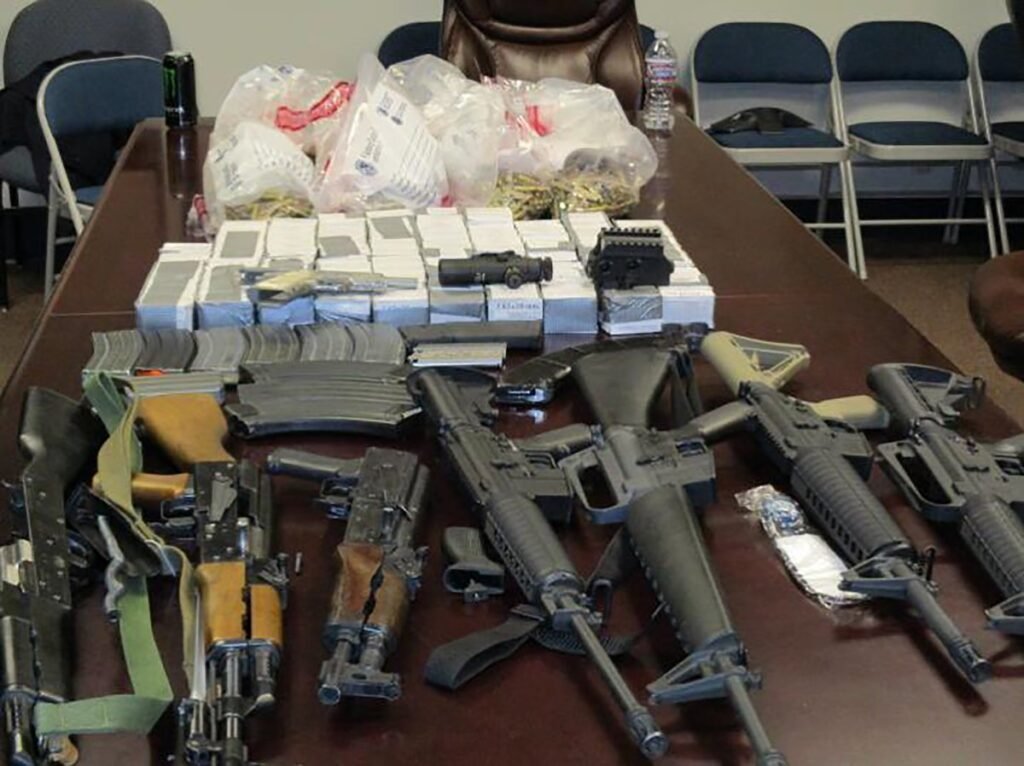
Four gun traffickers aged 16 to 19, all current or former high school students in west Phoenix, Arizona, told The New York Times that they buy, steal and resell pistols and rifles almost exclusively to U.S.-based cartel operatives. They said most of the guns end up with Mexico’s Sinaloa Cartel. One of them, an 18-year-old who goes by “JM,” said that in Mexico their crew has earned a nickname: “Los Chicos Phoenix.” The Times published the investigation Oct. 3, 2026.
A $700 rifle, resold for $1,200
JM told the Times that two years ago he and two friends met in a school bathroom between classes and pooled $700. The friend who was 18 legally bought a Kalashnikov-style rifle, and they sold it for $1,200. JM now says he coordinates dozens of students from at least 20 Phoenix high schools. The Times reporter said they were introduced to JM by an Arizona-based Sinaloa Cartel operator, who called JM’s network one of his main gun suppliers. None has been arrested, they said.
Another trafficker, an 18-year-old who calls himself “El Flaco,” said he bought his first gun, a Glock 19X, at 14. He said he makes $4,000 to $5,000 even in a bad month. “What they do with the guns isn’t my problem as long as I get my cut,” he said, according to the Spanish version.
Straw buyers, fake cash and filed-off serial numbers
The teens described several ways they get guns, the Times reported:
- friends who have just turned 18 buy them from licensed dealers;
- they steal them from homes, from cars and sometimes from their own parents;
- they pay sellers in WhatsApp and Telegram groups with prop “movie” money;
- they grind off serial numbers with electric nail files.
JM named Hereford, Arizona, gun-store owner Laurence Gray of Grips By Larry as a trusted supplier. A superseding indictment returned March 17, 2026, charges Gray with attempting and conspiring to provide material support to the Sinaloa Cartel and CJNG, which the U.S. designates as terrorist organizations. He has pleaded not guilty, and he declined to comment to the Times through his lawyer.
What the ATF says
AJ Gibes, special agent in charge of the ATF’s Phoenix Field Division, told the Times that criminal organizations “take advantage of those they can influence most.” He said that investigators have found ways to identify people using encrypted apps.
FOX 10 Phoenix’s August 2026 report on a separate case, in which 21 people were charged in an Arizona cartel gun-trafficking ring:
Sources
- The New York Times, “American High School Students Are Selling Guns Bound for Cartels” (Oct. 3, 2026), as republished in Spanish by El Diario de Juárez: Menores en EU venden armas que terminan en manos de los cárteles mexicanos (Oct. 3, 2026)
- Arizona Daily Independent: Hereford gun store owner charged with conspiring with Mexican cartels (March 26, 2026), citing the U.S. Department of Justice
- FOX 10 Phoenix: 21 charged in Arizona cartel gun trafficking ring (Aug. 4, 2026)
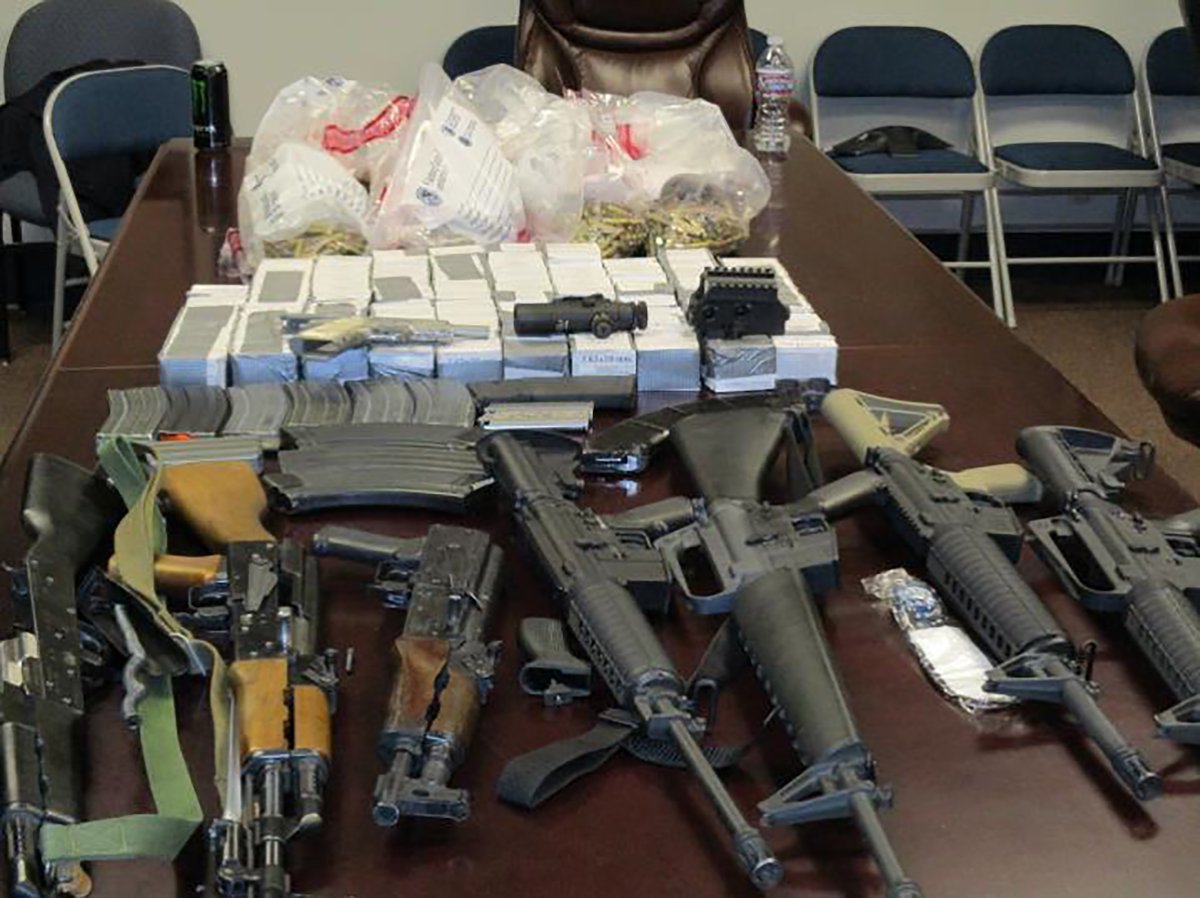
- Photo: U.S. Customs and Border Protection (public domain), via Wikimedia Commons.
.jpg)
Reported Oct. 3, 2026. The teens’ accounts come from the Times’ interviews, which the paper says it partly corroborated with current and former U.S. officials and trafficking experts. They have not been charged, and their claims about suppliers and buyers have not been tested in court. Quotes are translated from El Diario’s Spanish republication. Laurence Gray is presumed innocent.