Up to $15,000 a Crossing, Up From $3,000: Cartel Scouts and Drones Track Border Patrol Agents in Fort Hancock and Clint, East of El Paso, Texas
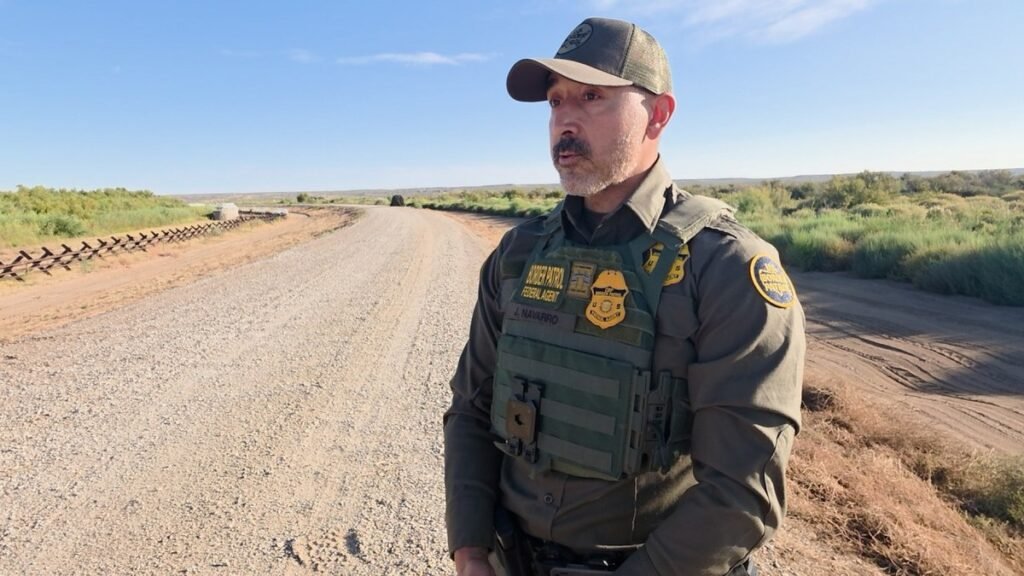
Cartel lookouts are tracking Border Patrol agents’ staffing, routes and response times along a rural stretch of the Rio Grande in Fort Hancock and Clint, east of El Paso, Texas, and smugglers there now charge $10,000 to $15,000 per person per crossing, up from about $3,000 three years ago, agents told Border Report reporter Aracely Lazcano during a ride-along published Oct. 16, 2026.
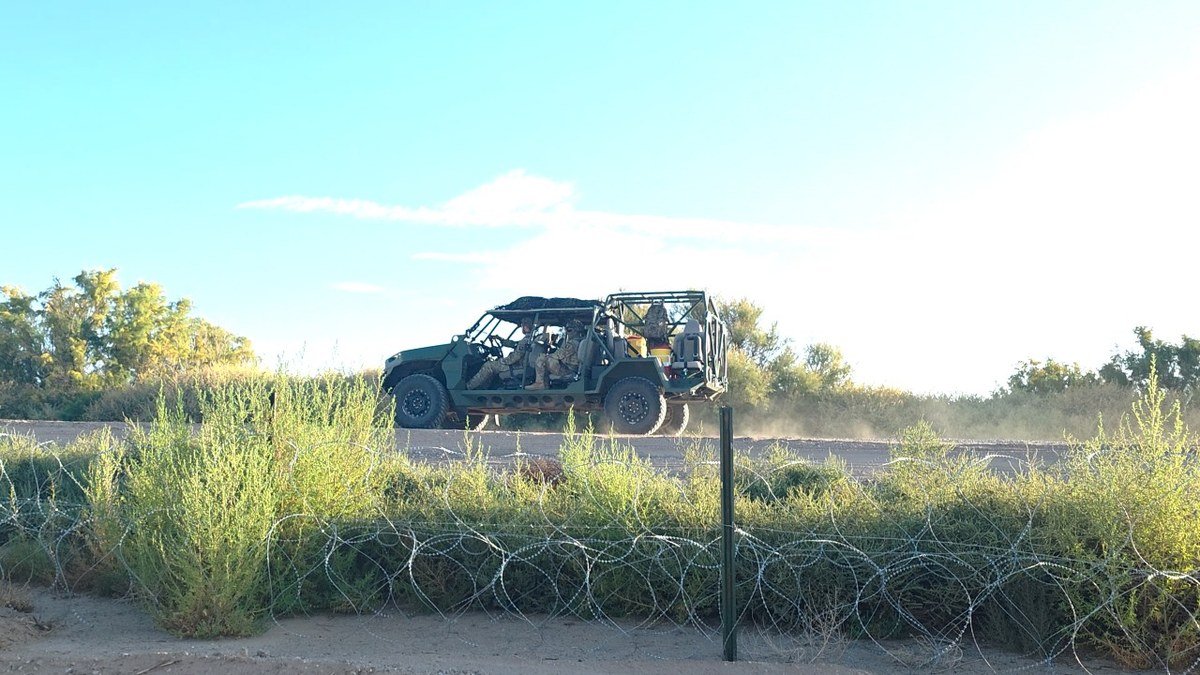
Scouts on one side, drones on both
“We’re always going to have cartel members keeping track of where our agents are patrolling,” Agent Jose Navarro told Border Report. He said new and replacement barriers elsewhere in the sector have pushed smuggling toward Clint and Fort Hancock, where some stretches have lower barriers topped with concertina wire instead of 30-foot steel bollards. The border is about half a mile from the area he patrols and Interstate 10 about a mile north, so agents have little time to stop people before smugglers pick them up.
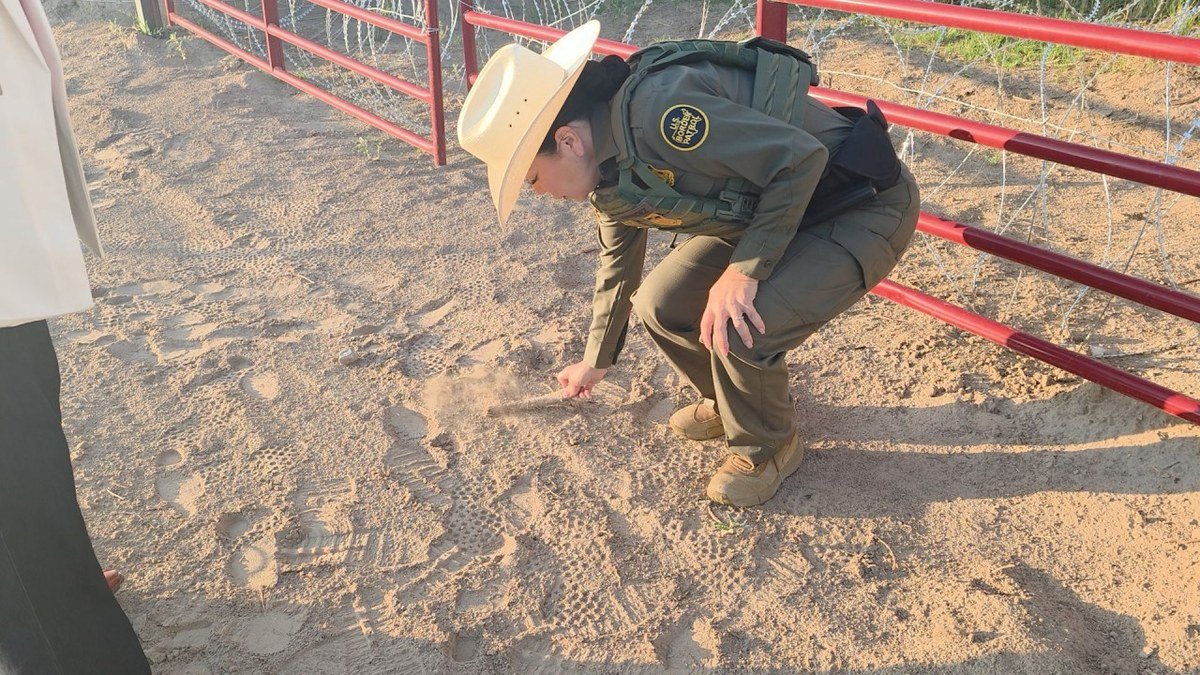
Agent Araceli Hernandez said smugglers use drones to locate agents and look for openings, while the Border Patrol flies its own drones and helicopters and relies on ground sensors. Smugglers also sweep away footprints with branches, a practice agents call a “brush out,” but the disturbed soil can give them away, she said.
Stash houses and extortion
Agents described people being confined and extorted in stash houses on both sides of the river. Fort Hancock sits across from El Porvenir, southeast of Ciudad Juárez. Navarro said smugglers sometimes bring part of a family into the U.S. while holding relatives in Mexico, “and then they will extort the family here in the United States for more money.” The agents did not name a specific cartel. Border Report noted separately that the U.S. Treasury says La Línea, a remnant of the old Juárez Cartel, works with the CJNG to move drugs through the Juárez Valley.
A possible kidnapping plot, and fewer crossings
The ride-along came as an internal Department of Homeland Security alert warned of a possible plot targeting CBP personnel in El Paso and Presidio. Border Report stressed that this was a possible plot, not a confirmed kidnapping. CBP figures released Oct. 16 show 98,708 Southwest border arrests in fiscal 2026, down from 237,538 the year before, Border Report said. See our Juárez–El Paso guide.
Sources
- Border Report (Aracely Lazcano), “Cartel scouts, drones challenge Border Patrol along rural stretch east of El Paso,” Oct. 16, 2026 (syndicated copy via KRQE/Yahoo News)
- Photos: Aracely Lazcano, Border Report
Reported Oct. 16, 2026, from Border Report’s ride-along. The accounts of cartel scouting, smuggling fees and stash houses come from Border Patrol agents interviewed by the outlet and were not independently verified. The agents did not tie the activity to a named group.