Violence Doubled in Mazatlán and Rose Fivefold in Escuinapa, Sinaloa: West Point Study Says the Cartel War Is Moving South — and Counts 54 Cartel Drone Strikes in 2026
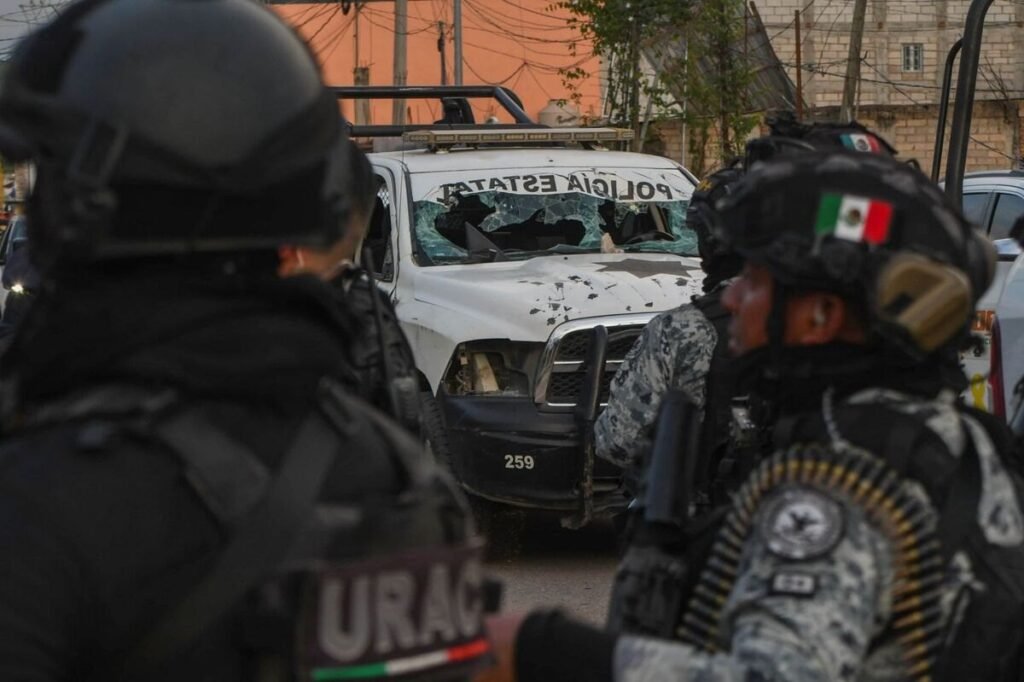
Cartel violence doubled in Mazatlán and rose fivefold in Escuinapa this year, even as it fell 29% across Sinaloa as a whole. That is the finding of a new study published by the Combating Terrorism Center at West Point, the U.S. Military Academy. Its author, Sandra Pellegrini, leads Latin America analysis at the conflict-monitoring group ACLED, and her article in the September 2026 issue of CTC Sentinel argues that the Sinaloa Cartel’s war is moving south. Milenio reported on the study on Oct. 15, 2026. It also counts at least 54 drone strikes by criminal groups in Mexico in 2026.
Culiacán calmer, the south worse
The study uses ACLED data from Jan. 1 to Aug. 28, 2026, and compares it with the same period of 2025. It counts violent events involving armed groups, not deaths, and leaves out clashes with the security forces. Pellegrini writes that the drop was sharpest in Culiacán. She links it to the troop presence, to the “tactical victory” of El Mayo’s faction, Los Mayos, over Los Chapitos territory there, and to the July 8 killing of Los Chapitos commander “El Texas.” She also writes that focusing operations on Culiacán “has likely shifted the conflict’s epicenter to Sinaloa’s southern municipalities.” For travelers, see our Mazatlán safety guide.
Drones and landmines
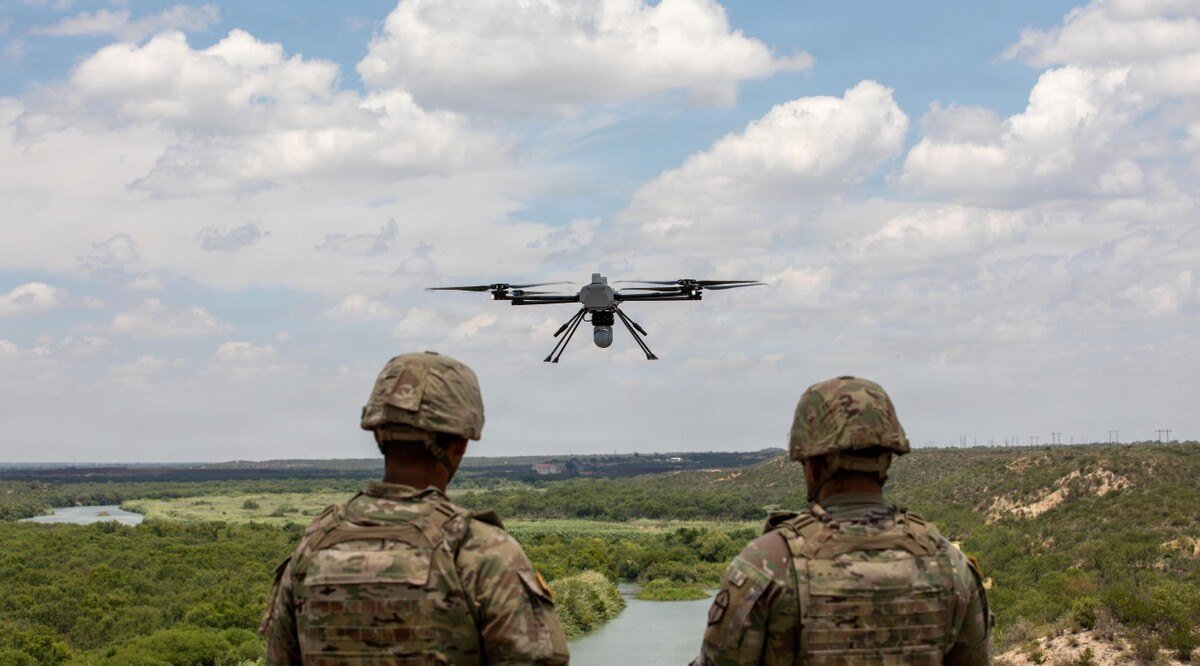
The study says that as pressure from the security forces grows, criminal groups are turning to remote, less visible violence, including forced disappearances. ACLED recorded at least 54 drone strikes by criminal groups this year, mainly in Sinaloa and Michoacán, and says the count is on track to match 2025’s. Michoacán also had at least 33 incidents involving remote explosives, landmines or improvised explosive devices (IEDs) from January to August, about the same as in all of 2025. The study says these counts are probably low, because they rely mostly on news reports.
Morelos up 78%, Jalisco down 41%
Nationwide, the study recorded 3,807 events this year, down from 4,906 in the same period of 2025, a 19% drop. Michoacán fell 15%. Morelos rose nearly 78%, which Pellegrini links to raids on extortion networks that opened the field to rival groups. Jalisco fell 41%, but she writes that this “likely” reflects adaptation by the CJNG rather than better security. She calls it too early for a full verdict on President Claudia Sheinbaum’s strategy.
Sources
- Sandra Pellegrini, “Pressure and Adaptation: Mexico’s Changing Criminal Landscape under Sheinbaum,” CTC Sentinel (Combating Terrorism Center at West Point), September 2026 (PDF)
- Milenio (Liliana Estevez), “Menos balaceras, más drones y desapariciones: así cambia la estrategia criminal ante el combate federal,” Oct. 15, 2026
- Photos: Cuartoscuro and U.S. Northern Command, via Milenio
Reported Oct. 16, 2026, from the study and Milenio’s report. The figures are ACLED counts of violent events based mostly on news reports. They are not official homicide statistics, and the study says they are likely undercounts. The causes it gives for the changes are its author’s analysis, not proven findings.